- What is Hospice and Palliative Care?
- Hospice Can Help
- History of Hospice
- What is Hospice Care?
- What is Palliative Care?
- What is Aid in Dying?
- Don't Wait to Talk about the Care You Would Want
- Caregiving, What’s Your Plan?
- Life Stories Create Memories
- Advance Directives
- Get Your Advance Care Planning Guide
- Choosing a Hospice or Palliative Care Provider
- Grief and Loss
- CHAPCA Resources Library
- Additional Helpful Websites
- Hospice Fraud
- Program | Services | Jobs
- Join CHAPCA
- Donate | Advocate | Volunteer
- About Us
|
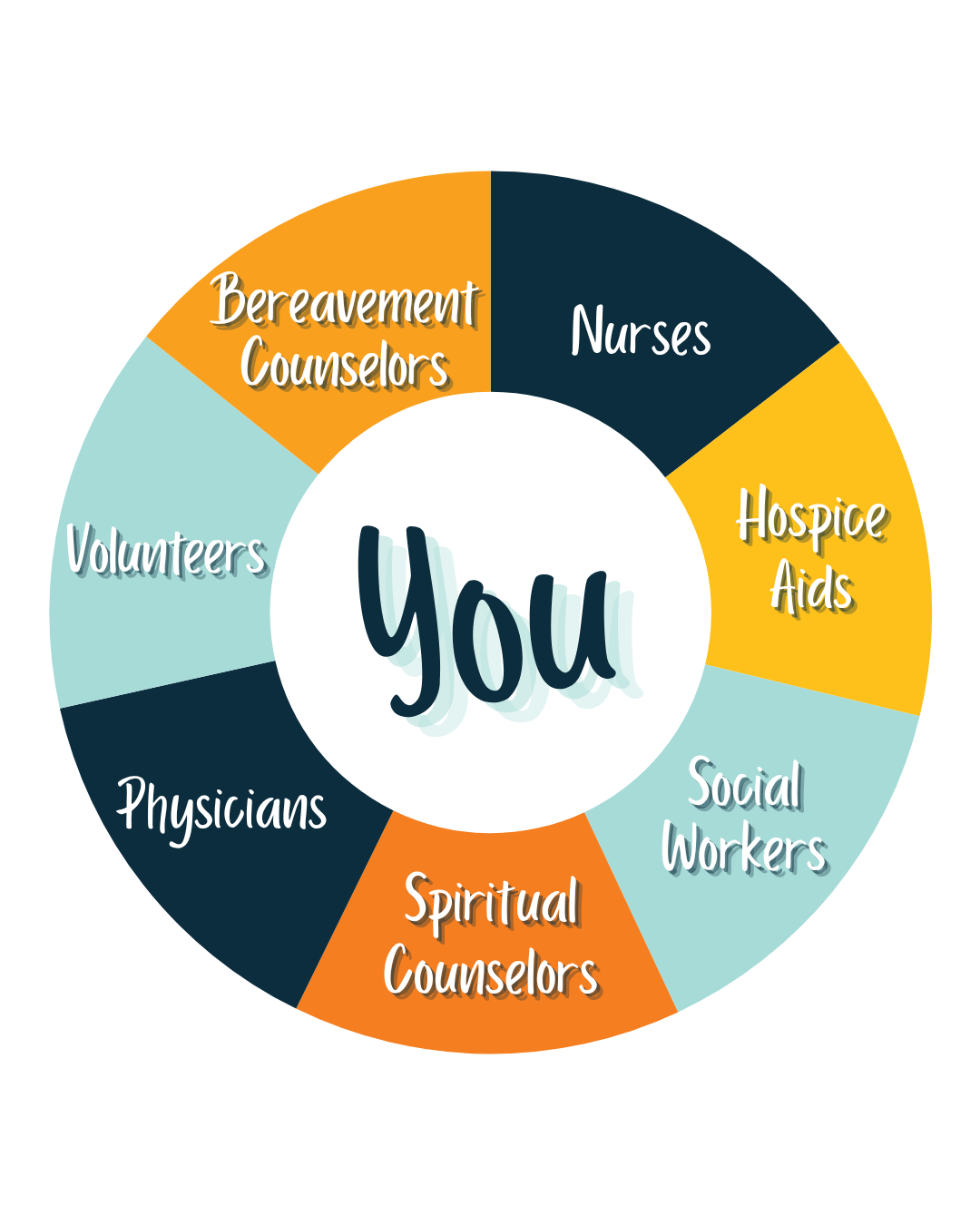
Hospice provides comfort, dignity, choice, and control at end-of-life for both patients and their families.Hospice care puts patients and families in control. It prioritizes quality of life and brings a full team of nurses, physicians, social workers, and chaplains to support everyone involved, not just the patient. Download Brochure (English)Download Brochure (Spanish)Hear from Dr. Ira ByockWith more than four decades of experience in hospice and palliative medicine, Dr. Ira Byock is one of the most trusted and influential voices in end-of-life care in the United States. In this five-part video series, Dr. Byock speaks directly to patients, families, and caregivers about what hospice care truly offers, how to access it, and why it so often transforms the final chapter of a person's life into something meaningful, dignified, and deeply human. Ira Byock, MD, FAAHPM is a palliative care physician, author, and public advocate for improving care for people living with serious medical conditions. He has been involved in hospice and palliative care since 1978. His research has contributed to conceptual frameworks for the lived experience of illness; measures for subjective quality of life; and counseling methods for life completion and wellbeing. He is a past president of the Academy of Hospice and Palliative Medicine. Watch all Videos
From a Nurse's PerspectiveWhat does a hospice discharge nurse wish every family knew before the hardest moment arrives? In this video, we hear the story of a nurse who has spent her career helping patients and families navigate the transition to hospice care and who has lived that experience herself as a family member. From understanding what hospice care actually provides, to knowing when to ask for it, to what it means to choose comfort over continued treatment, this video offers the honest, compassionate perspective that only comes from someone who has stood on both sides of that decision. Whether you are facing a serious illness, supporting a loved one, or simply want to understand your options before you need them, watch the video here. Watch Hospice Nurse VideoStories of CareWhen the time comes to make one of life's hardest decisions, it helps to hear from someone who has been there. Stories of Care is a video series featuring dramatic interpretations of real hospice experiences, shared by California families who wanted others to know what hospice care truly made possible for them. Each film is a reminder that hospice is a different kind of care, one built around comfort, dignity, and the people who matter most. Robert's Story of Care | I Didn't Know What it WasWhen Robert's wife was diagnosed with inoperable cancer after years of living with Alzheimer's, he became her sole caregiver - changing her diapers, feeding her, doing everything a person does when the person they love can no longer do it for themselves. He had never heard of hospice and didn't know what it was. In this video, Robert shares what it meant to finally set down the weight of caregiving and simply be present in the ten days they had left together. Today, he volunteers at the hospice resale shop, talking to strangers who have lost someone too, because he knows firsthand what hospice made possible for his family. Hear Robert's StoryDeana's Story of Care | What I Tell Every FamilyDeana, a hospice discharge nurse, has spent her career helping patients and families navigate the transition to hospice care - coordinating teams, managing expectations, and sitting with families in their hardest moments. She thought she knew what to expect when it was her own father's turn but she didn't. In this short video, Deana shares the story of the morning her father called her to say he thought he was dying - and the seven days that followed, from the ICU to a hospital bed in his own home. It is a story of what hospice made possible when it mattered most. Hear Deana's StoryUschi's Story of Care | The Help I Didn't Know to Ask ForFor fifteen years, Uschi cared for her husband as Parkinson's disease slowly changed the man she loved. Working full time, managing a live-in caregiver, and navigating the relentless demands of late-stage Parkinson's, Uschi was at the edge of what she could carry alone. It wasn't until a friend with thirty years of hospice nursing experience told her not to wait that she finally asked for help. She soon discovered that hospice could come to them, integrate into their life, and give her husband the dignity and comfort he deserved. In this video, Uschi reflects on what she wishes she had known sooner, and what she would tell any caregiver standing where she once stood. Hear Uschi's StoryWhat is hospice?Hospice is an end-of-life service provided wherever you call home — whether that’s your house, assisted living, or a nursing home. Hospice is a form of palliative care designed for end-of-life comfort. Rather than focusing on a cure, hospice centers the quality of life for both you and/or the person you care for. How can hospice help?Hospice can help navigate care options.An interdisciplinary hospice team works with patients and their families to address physical, emotional, spiritual, and practical needs. Hospice provides clarity when families need it most. You deserve to understand your care choices. Hospice can help sooner than you think.Choosing hospice earlier can make a meaningful difference. While many families begin hospice in the final days or hours of life, hospice care can be provided for extended periods of time, supporting comfort and quality of life for both patients and their families. Hospice can help improve quality of life.Hospice does not shorten or hasten end-of-life. Hospice prioritizes quality of life through comfort, dignity, and holistic care. Individualized care plans center on the patient’s wishes, values, and goals, allowing them to live as fully as possible. Hospice can help families care for their loved one.We often hear families say “If we had known all the ways you could help, we would have called sooner.” Families have access to guidance and support 24/7 for questions or concerns. Hospice provides comfort, attention, and support - not just for the patient, but for everyone involved. Hospice can help throughout the end-of-life journey.Hospice is a support system that surrounds patients and families with expert care, symptom relief, emotional support, and spiritual peace. Comprehensive services include medication management, providing equipment, hands on care, and caregivers support. The sooner hospice is involved, the more it can help. Hospice can help beyond end-of-life.Hospice services do not stop when your loved one dies. Families receive emotional support, bereavement care such as counseling and support groups, and guidance on practical arrangements such as funeral arrangements and paperwork. Hospice teams stay in touch with regular connections and check-ins. How can I find a hospice care provider?When choosing a hospice care provider, it’s important to select one that is licensed, experienced, and able to meet the patient’s medical and personal needs. You can begin your search and compare providers using the Find a Hospice or Palliative Care Provider tool. Find a ProviderIn The NewsThe Hospice Can Help campaign is drawing attention from media across California and beyond. The following coverage reflects growing public awareness and conversations about the importance of hospice care.
Hospice Can Help is a public awareness campaign from the California Hospice and Palliative Care Association. Follow CHAPCA on Facebook, Instagram and LinkedIn for additional campaign resources. If you are a provider or industry professional, click here to download additional materials.
|

Upcoming Events
Wed Oct 21, 2026HHWN: Beyond Empathy: Navigating the Emotional Landscape of Care for the Seriously Ill Category: HHWN Webinars |
Thu Oct 22, 2026HHWN: Calm, Clear & in Control: The Leader Who Listens: Harnessing Social Awareness to Inspire & Influence Category: HHWN Webinars |
View Full Calendar
Sponsor